
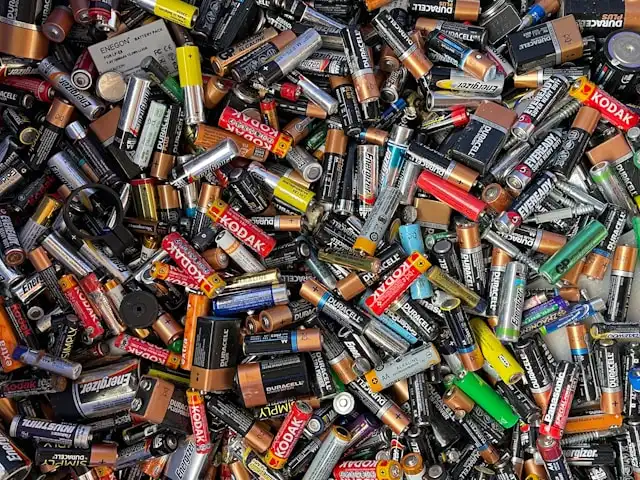
It’s important to recycle batteries properly and keep them out of landfills. Batteries that are handled improperly could leak toxic chemicals or even start a fire. In some regions, it is illegal to toss batteries in with regular trash.
What is E-waste?
E-waste is made up of any electronics which have been thrown away, including computers, phones, televisions, light bulbs, cables, batteries and other items.
Did you know that discarded electronics make up about 70% of toxic waste? It’s true. E-waste is toxic because it contains materials like lead, cadmium and beryllium. These can cause kidney damage, lung damage and even cancer.
The World Health Organization has also written extensively on the dangers of e-waste exposure, especially to women and children. People exposed to improperly handled e-waste can suffer damage to their lungs, thyroid and even to their very DNA.
Locations to Drop Off Batteries for Recycling
Although e-waste can be dangerous, broken and damaged electronics are not useless. In fact, there are many valuable materials in batteries, computers, smartphones, chargers and other devices. Therefore, there are many organizations which will gladly take your unwanted items for free and recycle them for you.
Stores that accept electronics for recycling include Staples and Home Depot. Different locations may accept different items, so you may want to check their websites first for more information.
If you’re in the United States or Canada, you can use Call2Recycle’s recycling locator. Search for drop-off locations by battery type. You can find places to bring single use batteries, rechargeable batteries, e-bike batteries and high energy batteries.
Tip: Looking to recycle an entire laptop or phone, not just the battery? Click here for a list of organizations that will accept smartphones and computers. Most allow you to send your device in the mail and they will pay for the shipping.
How to Recycle Damaged Batteries
If your battery is damaged, it may be swollen, or it may leak. These batteries are dangerous and need to be handled in a special way. Do not mix them in with other, undamaged items. There is a risk that these batteries may start a fire. Call2Recycle has advice on safely handling these batteries. They also have kits you can use to properly mail them away for recycling.
How to Prevent Battery Damage
Damaged batteries are dangerous. Whenever possible, it’s best to avoid battery damage in the first place.
Do not leave your smartphone, computer or other device on all the time. It’s good to turn it off every once in a while. Also, do not leave any devices charging for days at a time. This can damage the battery. Unplug it if you don’t need it to be fully charged in the near future.
Also, keep batteries away from extreme heat or extreme cold.